

When Divorce Affects Grandparents Too: Restoring the Grandparent-Grandchild Relationship
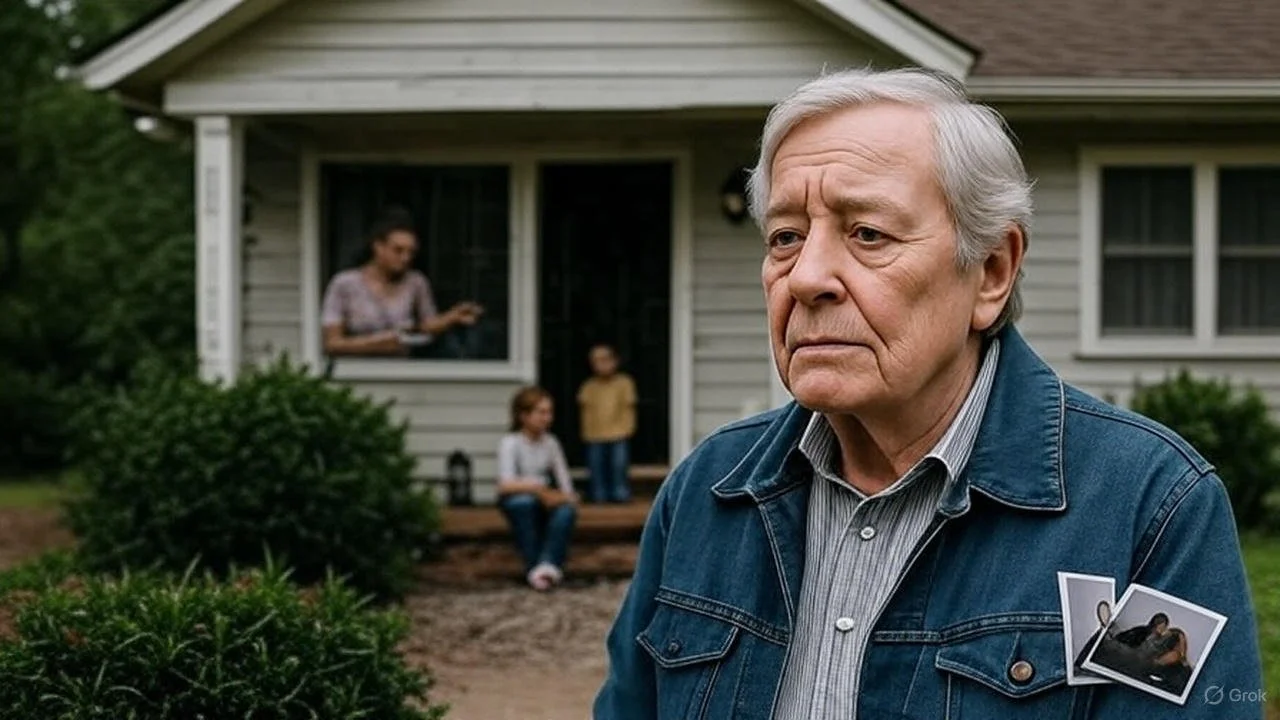
We’re accustomed to discussing divorce in terms of spouses and children. However, there is another group whose grief often remains unnoticed:
Grandparents.
For many grandparents, their grandchildren are the brightest part of their lives. They’ve babysat, cooked, attended school plays, celebrated birthdays, and established small rituals: special snacks, secret jokes, holiday traditions. When divorce happens, that connection can suddenly feel fragile or even fade away.
This article is for grandparents who feel pushed out and for parents trying to protect their children while navigating extended family relationships after divorce.
How Divorce Impacts Grandparents
Divorce can affect the grandparent–grandchild bond in challenging ways.
Reduced contact occurs when one parent moves away, schedules change, or conflicts escalate, and suddenly visits become rare or stop altogether.
Feeling “punished” or blamed, grandparents may feel they are responsible for their adult child’s actions or accused of "taking sides,” even if they’ve tried to remain neutral.
Being caught in the middle: One parent wants grandparents involved, while the other resists. Grandparents feel torn between loyalty to their own child and love for their grandchildren.
Fear of “saying the wrong thing.' Grandparents worry that one wrong comment about the divorce will lead to more restrictions, so they withdraw or become overly cautious.
All of this can cause deep grief, loneliness, and helplessness, especially when age, health, or distance make it harder to stay involved.
Why This Matters for Children?
For children, a stable, loving relationship with grandparents can be very protective during and after divorce. Grandparents can provide:
A feeling of continuity and family history
A “safe harbor" where the child does not feel caught in the parents’ conflict
Extra emotional and practical support for parents who are stressed and overwhelmed.
When contact with grandparents is suddenly limited or cut off, children may face an additional sense of loss beyond the divorce itself.
This is why it’s crucial to look beyond just “Mom vs. Dad” and consider the broader family system—when it is safe and appropriate to do so.
Common Stuck Points
Here are some of the patterns I often see in my work as a Divorce Coach:
Parents who are understandably protective. Maybe a grandparent has been critical, crossing boundaries, or downplaying the child’s experience. Parents want to keep their children safe but aren’t sure how to set boundaries without completely damaging the relationship.
Grandparents who don’t understand the new rules may see limits on contact as rejection or disrespect instead of an attempt to establish stability after a chaotic period.
Adult children feeling squeezed—one side wants “more access,” the other wants “more distance,” and the person caught in the middle is emotionally drained and unsure of what’s “fair.”
Professionals are unsure how far to go. Many divorce professionals focus on the couple and the children, feeling less confident about addressing grandparents, even when it’s clearly impacting the family dynamic.
What Can Help? (For Parents)
If you’re a parent trying to navigate this, a few principles can make a significant difference:
Stay child-focused.
Ask: “What kind of contact with grandparents is safe and healthy for my child?”
Not: “What do they deserve?” or “What do I owe them?”Set clear, kind boundaries instead of vague rules like “Just don’t upset them”; be specific:
We avoid speaking negatively about the other parent in front of the kids.
If you have concerns, please discuss them with me privately, not through the children.
Create predictable contact whenever possible. Even simple activities like Sunday video calls, once-a-month visits, or birthday visits can help children feel secure.
Name the limits without punishing. You can recognize the importance of the relationship while still maintaining firm boundaries.
We want the kids to include you in their lives. At the same time, we need you to respect (this boundary) so it stays healthy for them.
What Can Help? (For Grandparents)
If you’re a grandparent feeling pushed out, you might not be able to change everything — but you still have some influence.
Lead with empathy instead of blame.
Divorcing parents often feel overwhelmed and defensive. Starting with criticism (“You’re keeping my grandchildren from me”) usually shuts down communication.
Try:
I know this is a difficult time for everyone. I’d really like to remain involved in the children’s lives in a way that feels supportive to you.
Respect new boundaries
You might not agree with all the rules, but following them shows parents you are safe and reliable even when emotions run high.Avoid taking sides in front of the children
Children do not need to hear adult opinions about “who is right” or “who ruined the marriage.” They need space to love both parents and still feel welcome with you.Be consistent
Even if contact is limited for now, showing up reliably for calls, messages, or visits builds trust over time.
How Divorce Coaching Can Support This
As a Divorce Coach, I often:
Help parents consider what type of grandparent involvement is healthy for their children and situation.
Help grandparents understand the new family situation and adjust their expectations.
Prepare clients for difficult conversations, what to say, what not to say, and how to communicate in ways that minimize conflict instead of escalating it.
Work with individuals on their own grief, guilt, and anger so those emotions don’t spill over onto the children.
The goal is not to create a “perfect” family picture.
The goal is a realistic, child-centered setup where grandparents can be a source of stability and love, rather than becoming another battleground.
You Don’t Have to Do This Alone
If you’re a parent struggling to manage extended family after divorce, or a grandparent who feels heartbroken and shut out, you're not alone—and you're not overreacting. These relationships matter.
If you’d like support in thinking through your specific situation and discovering next steps that honor both your children’s well-being and the grandparent bond, I’m here to help.
You can book a consultation or reach out to me directly to see how divorce coaching can support you, your family, and the generations observing and learning from how you navigate this chapter.